Subsea Shuttle, LLC — Deepwater Chemical Storage and Injection
Subsea Shuttle overview
Subsea tie-backs are dominating deepwater developments as cost effective exploitation of smaller reservoir pockets and a process to help keep existing hubs full, reducing both CAPEX and OPEX
Subsea chemical storage and injection (SCSI) facilitates:
- ›Enable longer tie-backs
- ›Lower development costs
- ›Reduce host platform space and weight requirements
- ›Eliminate hazardous chemical interaction with offshore personnel
- ›Lower chemical costs
- ›Modular design benefits
- ›Facilitates platform de-manning
- ›Easing host tie-in burdens
Subsea Shuttle, LLC's technologies and equipment feature:
- ›Cost effective modular design - design one, build many
- ›Common Off the Shelf (COTS) components where possible
- ›All electric operation with significant health/status monitoring features
- ›100+ patents including dual barrier chemical storage
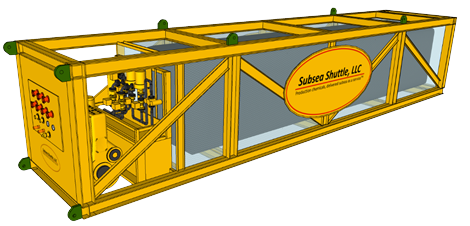
Subsea Shuttle Advantage
Benefits of Subsea Chemical Storage and Injection:
- Supplement existing clogged and/or 'under-tubed' umbilicals to maintain subsea well production
- Enable production of resources past (further offset) the current limits of 'chemical tubed' umbilicals, developing tieback opportunities currently only developable with new host facilities
- Lower development costs of tieback opportunities within current technology reach by removing tubes from umbilicals (reducing umbilical costs by up to 80%)
- Reduce host platform space and weight requirements (equipment, chemical and riser load); and hence cost on newbuilds. Free up space on existing brownfield host platform to allow for de-bottlenecking, tie-in of additional wells, and/or other new equipment requirements
- Eliminate hazardous chemical interaction with personnel
- Engineered for modular industrial fabrication and facilitates 'local content' requirements with bolt-on proprietary components. (Design one, then build many.) This approach minimizes spare parts, simplifies inspection, maintenance, and repairs, and lowers costs
- Better match chemical injection with changing reservoir conditions
- Significant step towards 'normally un-attended' operations (or platform 'de-manning')
- Facilitate "Chemical Injection as a Service", mimicking successful onshore chemical delivery model
- Several dozen patents issued and pending.
About Subsea Shuttle
After decades of working in the deepwater energy sector, co-founders Art Schroeder and Jim Chitwood, envisioned, developed and patented methods and equipment to store and deliver chemicals subsea. The grand challenge was established by industry consortium DeepStar™ with the goal of storing up to 3,000 barrels of fluids with equipment mounted on top capable of injecting both low volume continuous as well as intermittent high volumes into wells and flows to 10,000 fsw. DeepStar provided initial support with follow-on funding being provided by Department of Energy, via RPSEA - Research Partnership to Secure Energy for America. The system was branded Subsea Shuttle® as the unit was designed to safely, repeatablely, and economically transport fluids and equipment between sea surface and seafloor without the need for a heavylift vessel/crane barge. The shuttle, model at right, is basically a barge with four columns at the corners that contain adjustable buoyancy. By adjusting the buoyancy, the load - fluid inside the barge and the equipment on top can be lowered/deployed, or raised/recovered without the need for offshore cranes that can cost $1 million a day to rent. The system was reviewed and received Approval in Principle (AiP) designation from ABS. Subsequently, a 5,000 barrel system with a 1,000 gpm pump system was built and demonstrated off the US east coast for military use. The company was subsequently awarded funds via Department of Energy, National Energy Technology Labs (NETL) and has built a 'scaled down' version that is modular for oil and gas use, primarily to support long distance tiebacks. The final phase of the current project is for an offshore demonstration.
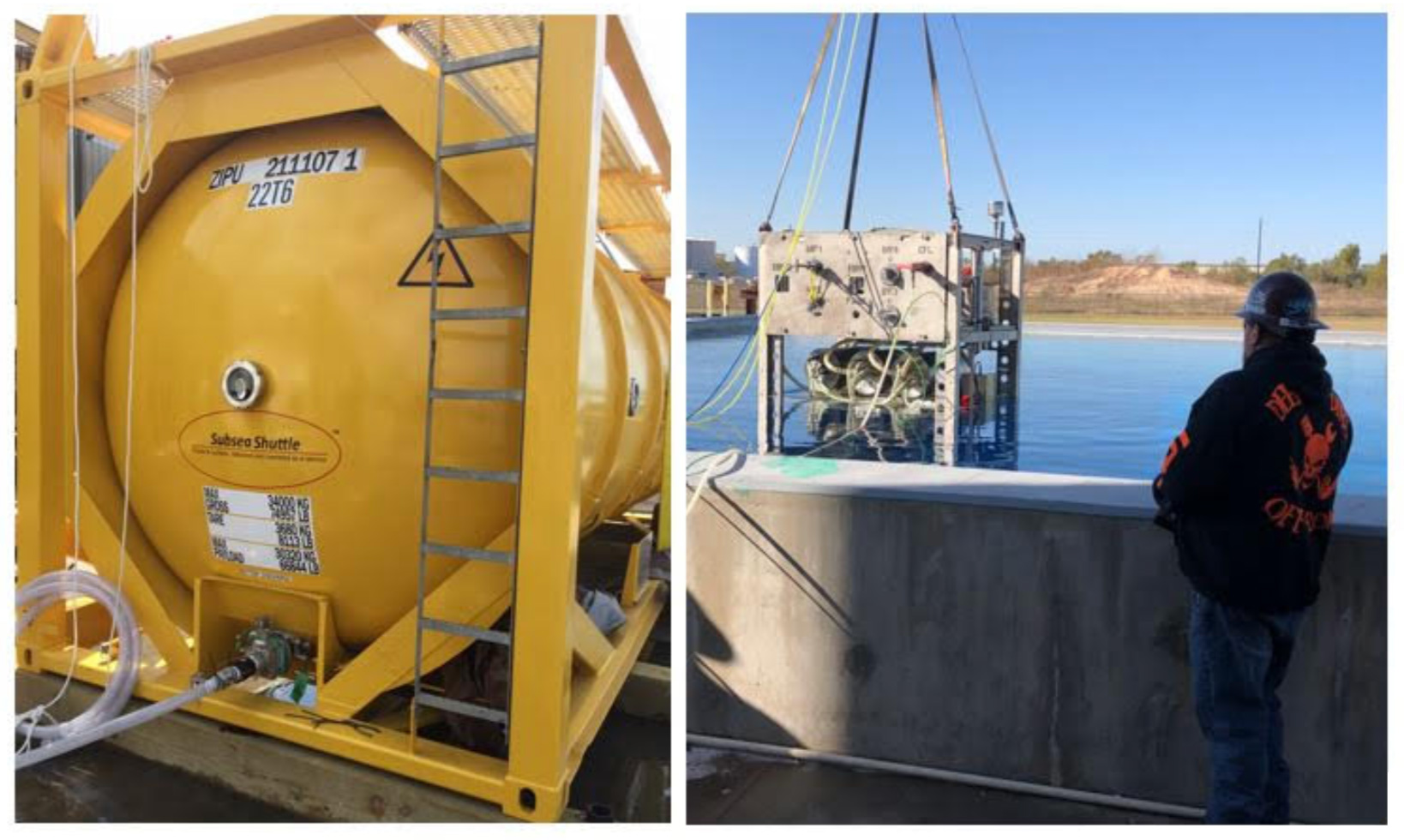
Equipment:
- ›8’ x 8.5’ x 25’
- ›30 short tons (full), 12 short tons (empty)
- ›120 bbl capacity
- ›1 - 2 kW (all electric) continuous low dosage
- ›15,000 psi injection pressure
- ›10,000 feet water depth
- ›100+ patents issued, additional pending
- ›Dual barrier chemical storage
- ›Efficient bladder depletion technology
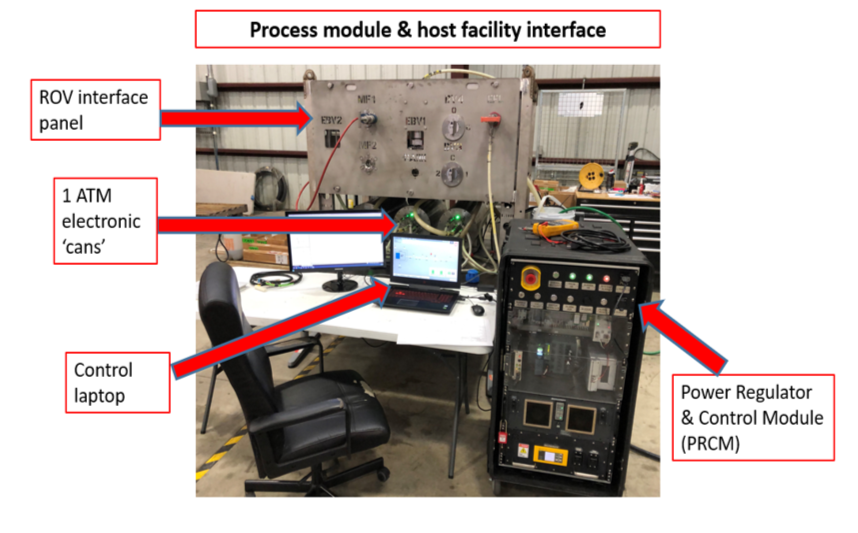
- ›All electric “Smart" Electric Control & Monitoring Unit
Meet the team

James E. Chitwood
Co-founded Subsea Shuttle in 2019. He has 48 years of industry experience in offshore engineering and research and development. His principal project from 1991 to 2014 was the Chevron-led DeepStar Project. He holds 14 patents and has an M.S. in mechanical engineering from Texas A&M University.

Art J. Schroeder Jr.
Co-founder and CEO of Subsea Shuttle, LLC. He has a background in chemical engineering and holds an MBA from the University of Houston. Based in Houston, Texas, Art has spent decades in the deepwater energy sector developing innovative solutions for subsea chemical storage and injection systems.

Tom A. Gay
A senior advisor with Subsea Shuttle, LLC. He has 40 years of industry experience, including 31 years with ExxonMobil in upstream roles in research, project engineering, commercial and facility integrity. Gay served as BG Group's technical authority for floating production systems and represented BG in several DeepStar projects. His experience includes assignments in the United States, Norway, the United Kingdom and France. Gay holds a B.S. in mechanical engineering from Virginia Tech.
In the press
04 Aug 2020 — AOGR.com
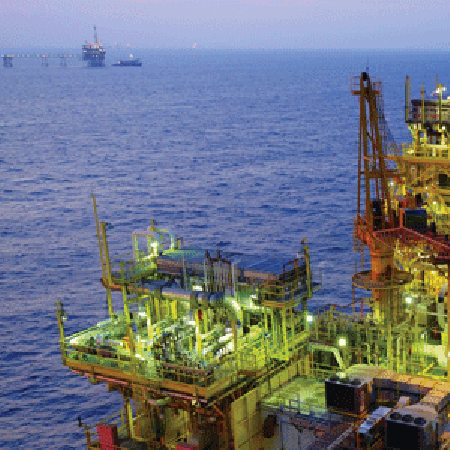
Offshore & Subsea Technology — Subsea Storage And Injection Of Production Chemicals Lowers Costs, Enhances Safety
Read More →
17 Sep 2019 — Energy.gov
Energy Department Invests $9 Million in Offshore Projects in Support of Enhanced Oil Recovery
Read More →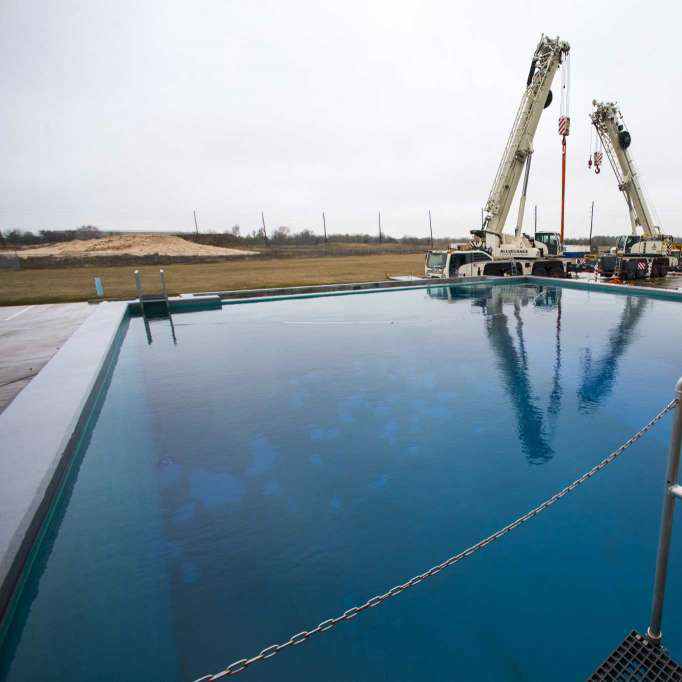
20 Feb 2018 — Chron.com
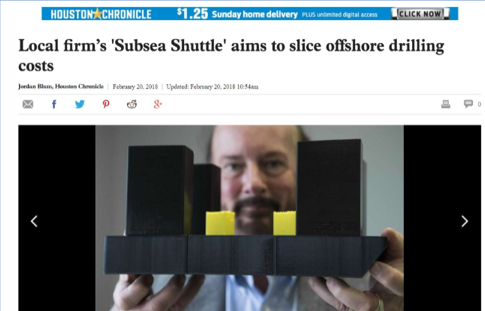
Local firm's 'Subsea Shuttle' aims to slice offshore drilling costs
Read More →